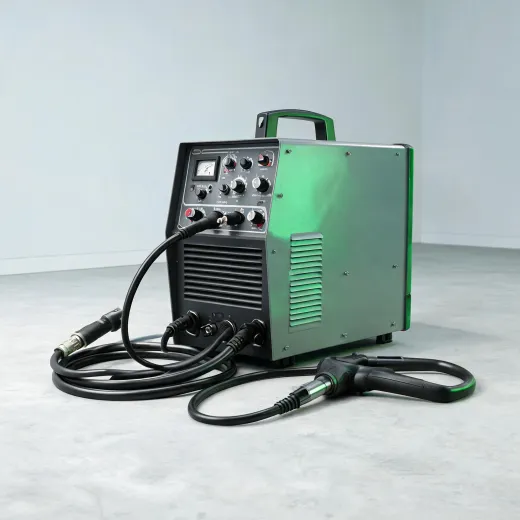
MIG Welders
Production-friendly settings for carbon steel fabrication, repair bays and fixture-intensive assembly lines.
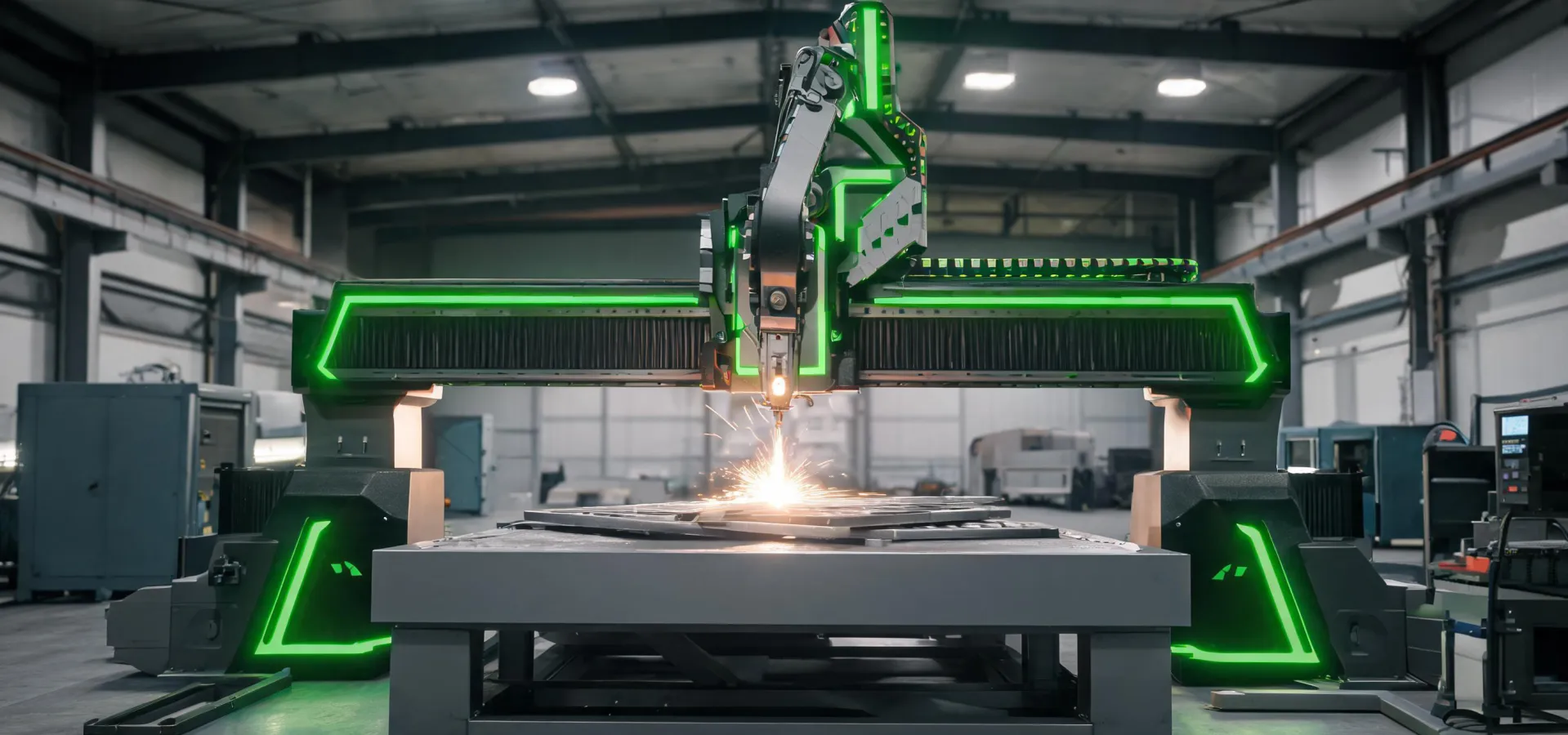
Specify equipment with process windows, consumable strategy and automation readiness already considered for fabrication, shipbuilding, energy and production welding cells.
Use the same review logic that welding engineers use before they approve a cell, torch package or manual station.
| Selection Factor | Manual and Bench Work | Mechanized Cutting Cells |
|---|---|---|
| Core equipment | MIG Welders, TIG Welders and compact Welding Machines | Plasma Cutters with machine torch and CNC interface |
| Operator priority | Repeatable arc starts, intuitive current control and serviceable leads | Cut path consistency, torch height control and consumable usage visibility |
| Best fit | Fixture repair, stainless fabrication, training labs and mixed-metal benches | Plate processing, structural steel, ship panels and nested production runs |
| Review evidence | Duty cycle, weld appearance, heat input and maintenance access | Kerf width, bevel control, pierce count and uptime per shift |
Start with the process family, then narrow by material, current range, torch format and planned service model.
Production-friendly settings for carbon steel fabrication, repair bays and fixture-intensive assembly lines.
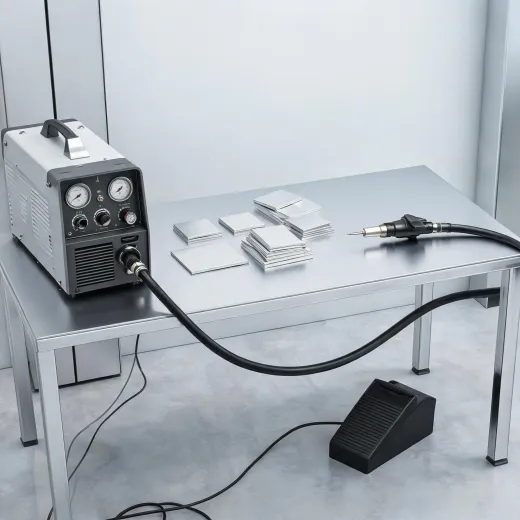
Controlled heat input for stainless, aluminum and thin-wall components where bead profile matters.
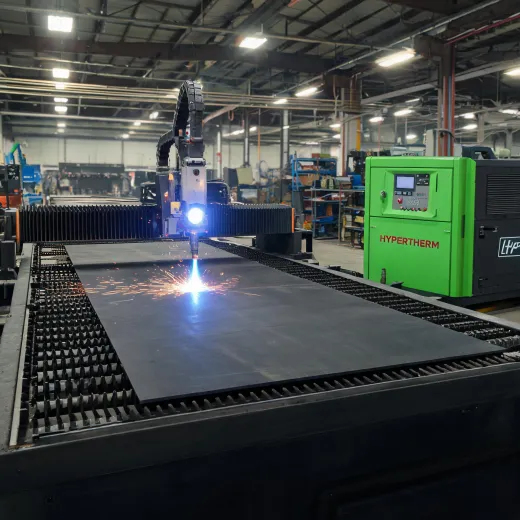
Manual and mechanized cutting paths for shops measuring cut edge quality, throughput and consumable life.
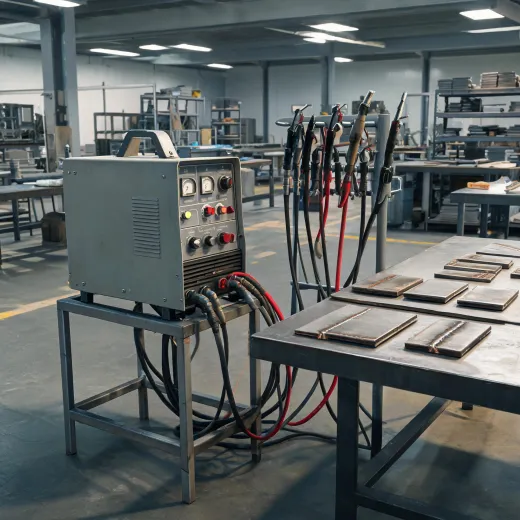
Multi-process platforms for teams that need one equipment standard across training, repair and production.
Hypertherm planning centers on measurable outcomes: cut consistency, fit-up time, torch access, service interval and the evidence needed for plant-level approval.
Typical review focus on nesting, edge cleanup and operator changeover.
Cell readiness planning for repeat parts and maintenance windows.
Plate range conversations for hull, deck and structural components.
Pipe, skid and field repair scenarios where torch reach is decisive.
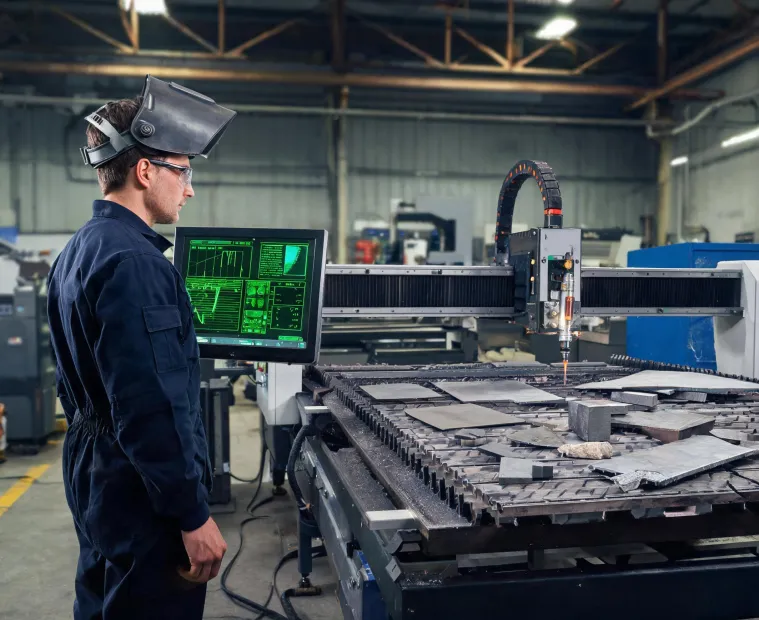
Material thickness, joint access, duty cycle and finish expectations are reviewed before a platform is recommended.
Teams can align machine torch choices, lead lengths and consumable logistics with actual shift patterns.
CNC communication, height control, nesting workflow and inspection checkpoints are handled as one operating model.
Maintenance access, repair routes and spare part planning help buyers compare uptime instead of only purchase price.
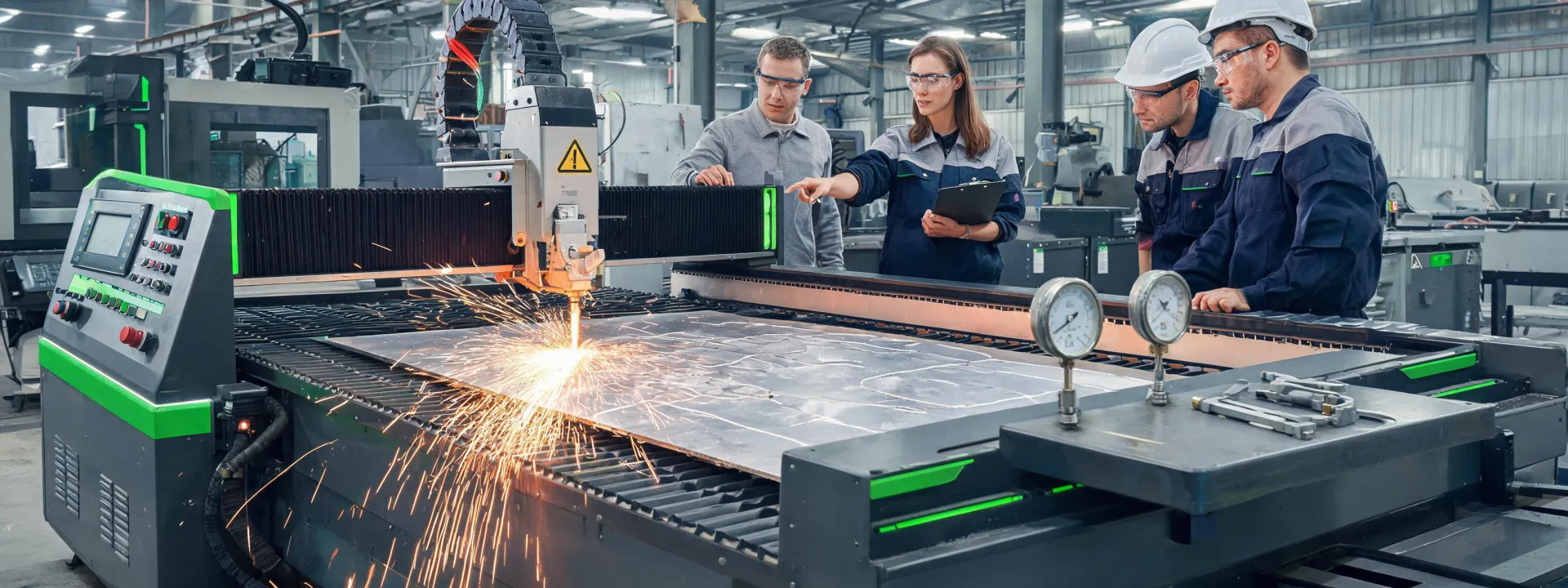
Hypertherm can help translate those constraints into a practical equipment path for plasma cutting, MIG, TIG or multi-process welding stations.
Request a Process Review