Machine inspection
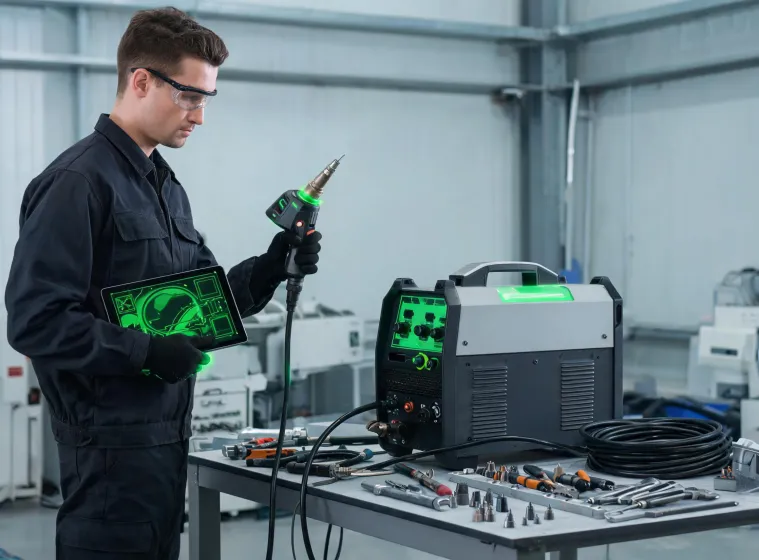
Power source condition, torch body wear, lead routing, air quality and grounding are reviewed against the production role of the machine. The output is a practical report that separates immediate risks from watch-list items.
Service planning is not a final add-on after a plasma cutter or welder is installed. It is part of the equipment decision, because torch access, inspection routines, consumable storage and operator confidence determine whether the purchase produces stable output over time.
Each program is designed for buyers who need documented support rather than vague promises after equipment delivery.
Power source condition, torch body wear, lead routing, air quality and grounding are reviewed against the production role of the machine. The output is a practical report that separates immediate risks from watch-list items.
Teams receive guidance on nozzle, electrode and shield usage so operators can spot abnormal consumption before it becomes a cut quality dispute or downtime event.
When a cell has changed material, thickness or fixture strategy, service review connects settings, torch setup and inspection expectations before full production resumes.
CNC interface checks, height control assumptions and machine torch selection are aligned so automation integrators and plant engineers work from the same requirements.
Hypertherm service conversations usually begin with a production reality check: what material range is cut most often, who changes consumables, how many shifts run the cell and how quickly the shop must recover after an alarm.
The more exact the service request is, the faster a specialist can separate machine condition, consumables, input air, torch alignment and operator setup from one another.