Digital plasma cutting technology dashboard
Technology

Hypertherm technology connects power, torch control and production data

Plasma process intelligence, CNC integration, consumable monitoring and the engineering checks that make automation dependable — read as the live signals a production team watches every shift.

Signals before automation

Technical indicators that matter before automation approval

Technology evaluation is strongest when performance is described as visible signals. Hypertherm equipment conversations can translate machine behavior into checkpoints that plant engineering, maintenance and operations teams can all understand.

Arc start stability 99.2%

Reference target for repeat pierce routines in mechanized cutting programs.

Kerf trend review 0.15 mm

Measured variance band used when edge profile and downstream weld fit-up are sensitive.

Consumable signal Live

Operators can use cut appearance and part count to decide whether wear is normal or accelerated.

CNC interface Ready

Height control, start signals and torch package assumptions are documented before commissioning.

Research papers

Technical notes for process review

Download-style resources are presented as evidence packages for technology conversations. They are not generic brochures; each item describes a specific decision point that can change equipment performance in the field.

PDF

Plasma Torch Height and Edge Quality

How height response, material condition and consumable wear influence bevel and dross outcomes.

Request
PDF

Machine Torch Selection Checklist

Connector, lead length, duty cycle and table access questions for CNC plasma integration.

Request
PDF

Consumable Life Troubleshooting Guide

Practical signals that separate air quality, amperage mismatch and incorrect torch handling.

Request
Adoption checkpoints

Technology adoption needs documented checkpoints

For industrial buyers, technology risk is controlled by a sequence of reviews. Safety rules, electrical documentation, operator training and inspection standards should be in place before a cell becomes critical to daily output.

Stage 1

Electrical and safety documentation

Confirm the power source, grounding, guarding and operating instructions match the intended installation environment.

Stage 2

Process window validation

Run the highest-volume material range and record cut quality, pierce behavior, heat influence and inspection outcomes.

Stage 3

Operator and maintenance handoff

Transfer setup rules, consumable cues and service escalation paths to the people who will keep the equipment productive.

Stage 4

Production release review

Compare output, scrap, consumable usage and downtime against the original approval assumptions.
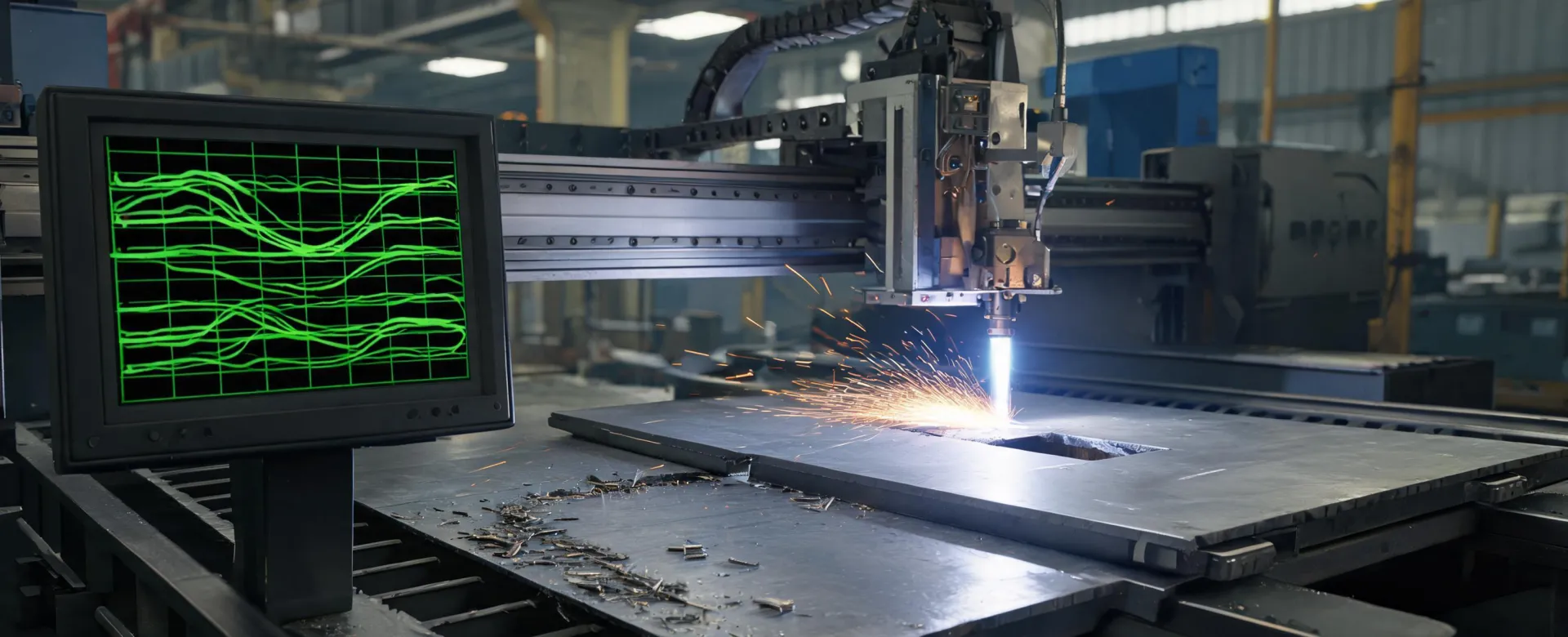
Process boundaries

Where plasma technology has real limits worth planning around

Performance data is only useful when it sits on an honest view of what the process can and cannot do. The constraints below are inherent to plasma cutting and should shape equipment selection, fixturing and inspection expectations rather than be discovered on the shop floor.

Cut taper and bevel

Plasma cuts carry a small angular taper on the cut face. On parts that must mate without secondary edge work, this taper sets a practical tolerance limit that height control and consumable choice can reduce but not eliminate.

Heat-affected zone

Like any thermal process, plasma introduces a heat-affected zone and can leave dross on thicker or fast-cut material. Distortion-sensitive or very thin work may need fixturing, reduced amperage or a different method.

Thickness ceiling and air quality

Each power source has a rated severance and quality-cut thickness; pushing past it costs edge quality and consumable life. Clean, dry compressed air is a hard requirement, and moisture-laden air accelerates nozzle and electrode wear.

Technology review

Request a data-led review of your plasma or welding cell.

Share the machine role, CNC interface, material mix and current symptoms so the technology discussion can focus on evidence.